

Views: 0 Author: Site Editor Publish Time: 2026-09-22 Origin: Site


SEO Title: What Are the Essential Pieces of Kids Furniture?
Meta Description: Discover the essential pieces of kids furniture, from beds and storage to study desks and bookshelves, plus practical tips for safety, space, and long-term use.
Primary Keyword: essential pieces of kids furniture
Related Keywords: kids furniture essentials, children's bedroom furniture, kids bed, kids storage furniture, kids bookshelf, kids study desk, children's wardrobe, kids table and chair set, safe kids furniture, kids room furniture
A child's room needs more than attractive decoration. The right furniture should support sleep, storage, study, play, and everyday independence while leaving enough open space for movement.
The essential pieces of kids furniture usually include a safe bed, practical storage, a wardrobe or dresser, a study surface, seating, and accessible shelving. The exact combination should reflect the child's age, room size, daily routine, and changing needs.
This guide explains which pieces matter most, what features to prioritize, and how parents, retailers, and project buyers can create functional children's spaces without filling the room with unnecessary furniture.
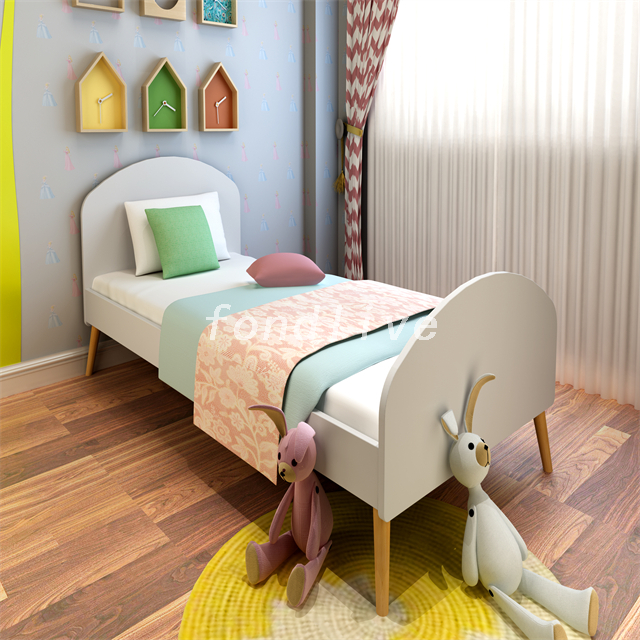
A well-planned children's room usually needs furniture for four basic functions: sleeping, storing belongings, learning, and organizing everyday items. Play is equally important, but good room planning should preserve open floor space rather than filling every available area with furniture.
The goal is not to buy the largest possible furniture set. It is to select a smaller number of pieces that serve clear purposes and remain useful as the child grows. Furniture with simple forms, practical storage, accessible dimensions, and adaptable colors often provides better long-term value than highly specialized pieces.
For most rooms, the starting combination includes a bed, wardrobe or dresser, bookshelf or storage unit, and a desk or table when the child is old enough to use one. Smaller items such as bedside tables, chairs, toy organizers, or benches can then be added according to available space.
FuJian Fondlive Houseware Co., Ltd. provides a broad selection of indoor furniture for different room functions. Buyers can explore the company's furniture products when planning children's bedrooms and coordinated home collections.
A kids bed is the most important furniture piece because sleep affects the child's daily routine and the bed usually occupies the largest area of the room.
The correct bed should fit both the child's current needs and the available floor plan. A compact single bed often works well because it leaves more room for storage, study furniture, and play. For younger children, guardrails or protective sides can provide additional reassurance when transitioning from a crib or toddler sleeping arrangement.
Construction quality also matters. The frame should feel stable, edges should be finished carefully, and structural components should remain secure during normal movement. Parents should also consider mattress dimensions before purchasing, particularly when replacing or upgrading a bed later.
Fondlive offers children's bed designs that can support compact bedroom layouts and different interior styles. Buyers can review a kids bed example for additional product reference.
Storage quickly becomes one of the biggest challenges in children's rooms. Clothes, books, toys, school materials, bedding, and hobby supplies can create clutter when they do not have designated locations.
A combination of closed and open storage usually works best. Closed drawers and cabinets hide visual clutter, while open shelves keep frequently used books and toys easy to reach.
For younger children, storage should also encourage independence. Lower shelves, drawers, and accessible compartments allow them to put away belongings without constant adult assistance.
As children grow, storage requirements change. Toy bins may gradually give way to school supplies, clothing, electronics, hobby equipment, and books. Choosing a flexible storage unit can therefore provide greater long-term value.
Tip: B2B buyers should prioritize adaptable storage configurations instead of products designed around only one narrow age group.
Not every children's room needs several large cabinets. The most useful storage pieces depend on what must be stored and how much available floor and wall space the room provides.
A wardrobe or dresser usually handles clothing, while bookshelves and smaller organizers support books, toys, school supplies, and frequently used objects. In compact bedrooms, selecting taller storage can preserve more floor area.
A children's wardrobe gives clothing, jackets, bags, and larger belongings a defined storage location. It is particularly useful when the room lacks built-in closets.
The internal layout matters as much as the exterior size. Hanging space can work well for uniforms, coats, and dresses, while shelves and drawers organize folded clothing and smaller items.
For younger children, adults may manage most wardrobe storage. As they grow, accessible shelves and drawers can help them become more independent in choosing clothes and organizing their room.
A dresser can be more practical where vertical hanging space is less important. Its top surface can also support lamps, organizers, mirrors, or decorative items, although furniture should remain stable and safely positioned.
A kids bookshelf helps organize reading materials while making books easier for children to see and select independently.
For younger users, low shelving can make books more accessible. Forward-facing book displays may also help children identify books visually instead of relying on spine titles.
Older children may need taller shelves for textbooks, notebooks, reference materials, and personal collections. A simple bookshelf can therefore remain useful much longer than storage designed only for toys.
For additional product inspiration, buyers can browse Fondlive's main home furniture collection and compare storage formats suited to different room sizes.
Toy storage should be simple enough that children can use it without complicated organization systems.
Open bins or low compartments are practical for toys used daily. Closed cabinets are better for items that create visual clutter or require adult supervision.
Multi-purpose furniture can be particularly valuable in small rooms. A storage bench, cabinet, or low shelving unit may support several uses as the child's needs change.
Avoid adding too many separate organizers. A room filled with small storage pieces can become harder to navigate than one using a few well-planned units.
A dedicated study space becomes increasingly valuable once homework, drawing, reading, and creative activities become part of the child's daily routine.
A kids study desk does not need to be large. It needs enough usable surface for the activities the child actually performs, plus comfortable seating and suitable lighting.
A study desk gives schoolwork and creative activities a consistent location. This separation can help keep beds, floors, and other furniture from becoming permanent work surfaces.
The desk should provide enough room for books, writing materials, and a laptop or tablet when required. Drawers can help store stationery and prevent the desktop from becoming cluttered.
Placement also matters. Natural light can be useful, but direct glare on screens should be avoided. Nearby electrical access may become more important as children grow and begin using digital devices for school.
Fondlive also offers table designs with storage features that can support bedrooms and learning areas. Buyers can view a table with drawers for reference.
A desk should be paired with seating appropriate for the child's size.
A chair that is too tall can leave feet unsupported, while one that is too low can create an awkward relationship between the arms and desktop. The goal is a comfortable working position rather than simply choosing a smaller version of an adult chair.
For younger children, easy-to-clean surfaces can be helpful because the same table may be used for drawing, crafts, snacks, and learning activities.
As study time increases, comfort and support become more important. The chair should remain stable and suitable for longer periods of sitting.
Younger children may benefit more from a kids table and chair set than a traditional study desk.
A lower table can support drawing, puzzles, crafts, early learning, and play while allowing the child to sit and move independently.
The furniture should be proportioned for children rather than simply scaled according to available room space. Appropriate height can make everyday use easier and more comfortable.
A simple design also adapts better as activities change. Highly themed products may have a shorter visual lifespan as the child's preferences develop.
Safety should be treated as a core product characteristic, not an optional feature added after styling decisions.
Children climb, pull, lean, jump, and use furniture in ways adults may not anticipate. Construction, stability, edges, hardware, materials, and placement therefore deserve careful attention.
Tall storage furniture should remain stable during normal use. Drawers, doors, and shelving can change how weight is distributed when opened.
Furniture placement also affects safety. Large cabinets should not interfere with doorways, windows, heaters, or primary walking paths.
Parents and project buyers should follow applicable furniture anchoring instructions for products where tip-over prevention is relevant. Assembly hardware should also be checked periodically.
A stable product begins with appropriate construction, but correct assembly and placement remain essential after delivery.
Children's rooms contain frequent movement, so corners and exposed edges deserve extra attention.
Rounded or smoothly finished profiles can reduce the severity of accidental contact. Sharp projecting hardware should also be avoided where children regularly walk or play.
Surface quality matters for another reason. Rough edges, damaged panels, exposed fasteners, or poorly finished corners can create unnecessary hazards.
For manufacturers and B2B buyers, edge treatment should therefore be part of the product-quality inspection rather than only an aesthetic consideration.
Children's furniture must tolerate more than light decorative use. Spills, drawing materials, fingerprints, toys, and frequent cleaning are part of normal daily life.
A practical surface should be easy to maintain and resistant to reasonable everyday wear. Paint, melamine, and other finishes should be selected according to the intended market and usage.
Very delicate decorative surfaces may be difficult to maintain in children's rooms. Simpler finishes often provide stronger everyday practicality.
Retailers should also give customers clear maintenance guidance. Incorrect cleaners can damage coatings and reduce the expected service life.
Note: Safe kids furniture depends on suitable design, correct assembly, responsible placement, and ongoing inspection.
Children's furniture can become expensive when every developmental stage requires a completely new room.
A more flexible strategy is to select core furniture that remains useful for several years, then replace only pieces that genuinely become too small or unsuitable.

Beds, wardrobes, dressers, and bookshelves can often serve children for many years when their styling is not overly age-specific.
A simple white, natural wood, soft gray, or muted-color bed can work in both younger and older children's rooms. The room's personality can then come from bedding, rugs, wall decoration, toys, and artwork.
These decorative elements are easier and less expensive to update.
This approach also benefits retailers. Timeless core furniture can appeal to a wider age range and reduce dependence on short-lived design trends.
Storage requirements change more dramatically than many parents expect.
Young children may need easy-access bins for toys and picture books. School-age children gradually require space for textbooks, stationery, sports equipment, and hobbies.
Teenagers may need additional clothing storage, technology organization, and study materials.
Flexible shelves and drawers handle these changes better than highly specialized compartments designed around one activity.
A low activity table may be sufficient during early childhood.
As schoolwork becomes more demanding, the room may need a larger desk, better seating, task lighting, and technology storage.
There is no need to install a large adult-style workspace too early. Furniture should match the child's present activities while allowing reasonable room for growth.
The same principle applies to the rest of the space: prioritize useful flexibility instead of buying for a distant future that may require different furniture anyway.
Small children's rooms need stronger prioritization because every piece uses valuable floor area.
The bed, essential storage, and a functional activity or study area should come first. Additional pieces should only be added when they provide clear value.
Furniture that performs two functions can reduce the number of items required in the room.
A desk with drawers provides both workspace and storage. A low cabinet can organize toys while also providing a useful display surface.
Beds with integrated storage may also help where floor area is limited, depending on construction and room requirements.
The goal is not to make every product multifunctional. It is to prevent unnecessary duplication.
Tall wardrobes and shelving can increase storage without occupying more floor width.
However, vertical storage should remain proportionate to the room. Oversized cabinets can visually dominate small bedrooms even when their footprint is efficient.
Keep frequently used children's items at accessible heights. Higher shelves can store seasonal or adult-managed belongings.
This creates a practical division between independent storage and items requiring supervision.
Children need open floor area for movement and play.
Filling every wall with furniture may increase storage capacity but reduce the room's overall usefulness.
Before purchasing, map the bed, storage, and desk dimensions on the floor. This helps identify blocked walkways and oversized pieces before delivery.
A smaller number of well-proportioned items usually creates a more functional children's bedroom than a complete oversized furniture set.
Retailers, wholesalers, developers, and furniture brands need to evaluate more than visual appeal.
Kids furniture should combine practical design, repeatable manufacturing quality, efficient packaging, suitable materials, and flexible styling.
Core categories such as beds, bookshelves, tables, wardrobes, and storage cabinets serve clear long-term needs.
Retailers can create stronger collections by coordinating these pieces through finish, hardware, proportions, or color rather than making every item identical.
Neutral colors can broaden the target age range. White, natural wood, muted blue, soft green, and simple two-tone finishes can often remain relevant longer than highly themed designs.
A flexible collection also makes cross-selling easier. Customers can add individual pieces as children's needs change.
Dimensions should suit both children's ergonomics and common room sizes in the target market.
Oversized products can create delivery and space problems, particularly for apartments and urban customers.
KD construction can improve shipping efficiency, but assembly should remain straightforward. Clear instructions, correctly labeled hardware, and consistent drilling improve customer experience.
Packaging should also protect painted panels, corners, edges, and hardware during transport.
Commercial buyers may require custom dimensions, colors, branding, packaging, or material specifications.
FuJian Fondlive Houseware Co., Ltd. provides indoor furniture manufacturing and customization support for different retail and project requirements. Buyers can learn more through the Fondlive website.
For wholesalers and private-label buyers, customization should still be balanced against production efficiency. Too many minor variations can increase inventory complexity and make repeat ordering harder.
A practical collection usually begins with standardized core models, then uses selected customizable elements to differentiate them for specific markets.
Tip: B2B kids furniture collections should prioritize repeatable quality, adaptable styling, efficient packing, and clear age-appropriate functionality.
A useful furniture plan starts with needs rather than decoration.
For most children's rooms, the essential priorities can be organized as follows:
Furniture Piece | Main Purpose | Priority | Key Selection Factor |
|---|---|---|---|
Kids Bed | Sleep | Essential | Safety, stability, correct size |
Wardrobe or Dresser | Clothing storage | Essential | Capacity and accessibility |
Bookshelf or Storage Unit | Books and toys | Essential | Reachable, organized storage |
Desk or Activity Table | Study and creativity | High | Age-appropriate dimensions |
Chair | Seating | High | Comfort and stability |
Bedside Table | Daily essentials | Optional | Size and easy access |
Extra Toy Storage | Organization | Depends on room | Avoid excessive furniture |
The checklist should be adjusted according to age and room dimensions. A preschool child may need more open toy storage and a low activity table, while an older child may need a stronger study setup and larger wardrobe.
Do not treat the table as a mandatory shopping list. If a wardrobe already provides enough drawer storage, another dresser may be unnecessary.
Each furniture piece should earn its place through regular use.
The essential pieces of kids furniture are the pieces that support sleep, organization, learning, and daily independence without overcrowding the room.
A safe bed should come first, followed by practical clothing and general storage. Bookshelves help children organize reading materials, while a desk or activity table becomes increasingly important as study and creative activities develop.
The best children's rooms do not contain the most furniture. They use a smaller number of appropriately sized, durable, accessible pieces while preserving open space for movement and play.
FuJian Fondlive Houseware Co., Ltd. supplies indoor furniture for different home applications, including children's beds, tables, storage furniture, and related room furnishings. Its manufacturing capabilities can also support customized colors, dimensions, logos, and packaging for different retail and B2B requirements.
For wholesalers, retailers, private-label brands, and project buyers, a strong kids furniture collection should combine safety-conscious design, practical storage, age-appropriate dimensions, adaptable styling, and efficient production. These qualities create more lasting value than simply following short-term children's furniture trends.
A: The essential pieces of kids furniture usually include a safe bed, wardrobe or dresser, accessible storage, bookshelf, and an age-appropriate desk or activity table.
A: Small rooms should prioritize a kids bed, compact storage, and one study or activity surface while preserving enough open floor area for movement and play.
A: Not immediately. A younger child may use a kids table and chair set, while school-age children benefit more from a dedicated desk for homework and creative activities.
A: The best kids storage furniture combines accessible open shelves with drawers or cabinets, allowing children to reach daily items while hiding larger amounts of clutter.
A: Choose safe kids furniture with stable construction, well-finished edges, suitable dimensions, secure hardware, and surfaces designed for normal children's use and regular cleaning.
A: Not necessarily. Children's bedroom furniture can use different pieces when colors, materials, proportions, or design details create enough visual connection across the room.


