

Views: 0 Author: Site Editor Publish Time: 2026-07-09 Origin: Site


Outfitting a new space or redesigning your current home demands strategic thinking. We constantly juggle finite budgets against limited floor space. You cannot treat every design choice equally. Not all pieces carry the same functional or visual weight. When you distribute your budget evenly across all items, you inevitably compromise durability on the pieces you use most. Rooms quickly feel disjointed. The primary seating—specifically the sofa—serves as the foundational anchor of the entire room. All other layout decisions, traffic flow, and budget allocations cascade directly from this single purchase. This guide breaks down exactly why seating reigns supreme in your home. You will learn how to evaluate construction quality, allocate your design budget efficiently, and sequence your purchases. Discover how prioritizing your main anchor simplifies every subsequent choice in your space.
Your primary seating dictates the room's layout, traffic flow, and overall utility.
A high-quality sectional sofa or standard three-seater yields the highest daily return on investment (ROI) and should receive the largest share of your budget.
Evaluate core investments based on frame construction, suspension systems, and fabric durability rather than purely aesthetic trends.
Secondary pieces (coffee tables, accent chairs, rugs) should be sourced only after the anchor piece is measured and ordered.
Rooms lack visual cohesion when they lack a defined anchor piece. We often see fragmented layouts where furniture floats aimlessly in the center of a space. Mismatched scale creates physical barriers. Without a dominant focal point, the human eye struggles to find rest. You must establish a definitive center of gravity. Your primary seating naturally assumes this role.
Consider the daily usage frequency. Aside from your mattress, nothing endures more physical wear than your main seating. We sit, recline, host guests, and nap on these surfaces. They bear dynamic weight loads every single day. This relentless usage demands robust engineering. It justifies concentrating your resources here rather than on decorative sideboards.
Your sofa establishes the stylistic baseline through visual weight. It carries the largest physical footprint in the space. The fabric texture, arm slope, and leg style immediately broadcast your overarching design intent. Everything else plays a supporting role. If you select a sleek mid-century piece, bulky traditional recliners will clash. The anchor sets the rules.
Scalability requires smart adaptation to your specific floor plan. Open-concept homes present unique challenges. Without structural walls, rooms blend together chaotically. A well-placed sectional sofa acts as a soft architectural barrier. It offers maximum seating capacity while seamlessly delineating the lounge zone from adjacent dining or kitchen areas. You maximize utility without obstructing light.
Evaluating your anchor piece requires looking beneath the upholstery. A beautiful exterior means nothing if the internal skeleton fails within a year. You must assess features based on their direct outcomes regarding longevity.
Frame construction serves as the most critical evaluation dimension. You want kiln-dried hardwood. Industrial ovens remove moisture from the wood before assembly. This precise drying process prevents the frame from warping, bowing, or snapping as humidity changes inside your home over time. Engineered plywood or softwoods like pine sag quickly under daily stress.
Suspension systems dictate long-term support versus premature sagging. The industry gold standard remains the eight-way hand-tied spring system. Craftsmen manually tie each coil spring in eight different directions, ensuring the load distributes evenly across the seat. High-gauge sinuous springs offer a modern, highly effective alternative. They snake across the frame and provide excellent resilience.
Upholstery metrics matter for high-traffic households. We use double-rub counts to measure fabric durability. The Wyzenbeek test mechanically rubs a piece of canvas across the fabric until it shows visible wear. Look for double-rub counts exceeding 50,000 if you have pets or young children. This guarantees your fabric resists tearing and pilling under heavy friction.
You must trade off maintenance for aesthetic preference when selecting cushion fills. Many buyers expect clouds of softness without realizing the daily upkeep required.
Cushion Fill Comparison Chart | |||
Fill Material | Comfort Profile | Maintenance Level | Best For |
|---|---|---|---|
High-Density Foam | Firm, highly supportive | Low (retains shape naturally) | Clean, tailored looks |
Down-Blend | Plush, sink-in softness | High (requires constant fluffing) | Relaxed, casual spaces |
Innerspring Core | Bouncy, structured | Low (springs provide rebound) | Long-term shape retention |
High-density foam cushions require minimal maintenance. They bounce back instantly and maintain a crisp, tailored silhouette. Conversely, down-blend cushions offer superior, sink-in comfort. However, they look crushed after use. You must fluff them constantly to avoid a sloppy appearance. Acknowledge this trade-off before finalizing your purchase.
Always verify safety compliance. Ensure interior foams and external fabrics meet current fire-retardant standards. Look specifically for TB117-2013 compliance. This California standard tests materials for smolder resistance. More importantly, it achieves this safety benchmark without relying on highly toxic chemical flame retardants. Protect your indoor air quality.
Best Practice: Always request physical fabric swatches. Test them against your pet's fur and observe them under your specific home lighting.
Common Mistake: Buying purely based on immediate showroom comfort. Soft, unsupportive foam feels great initially but causes severe back pain after two years of degradation.
Best Practice: Check the warranty details specifically for the frame and suspension. Reputable manufacturers offer lifetime warranties on these internal components.
Proper prioritization prevents financial regret. You need a framework to distribute a standard room budget effectively. The goal is maximizing longevity while minimizing replacement cycles. We divide purchases into three distinct tiers of structural stress and aesthetic permanence.
Living Room Spend vs. Save Matrix | |||
Tier Level | Furniture Category | Budget Strategy | Core Rationale |
|---|---|---|---|
Tier 1 (Maximize Spend) | Primary Seating (Sofa/Sectional) | Invest heavily (40-50%) | Endures highest physical wear; dictates room layout. Expected lifespan: 7-10 years. |
Tier 2 (Moderate Spend) | Media Consoles, Accent Chairs | Mid-range investment | Requires solid joinery and functional cable management, but bears less direct body weight. |
Tier 3 (Value Engineering) | Coffee Tables, Side Tables, Decor | Cost-effective sourcing | Endures zero structural stress. Easily updated as aesthetic trends change over time. |
Tier 1 represents your maximize budget zone. Your primary seating acts as a 7-to-10-year investment. Do not compromise on internal build quality here. Skimping on the frame or suspension leads to complete replacement within three years. Pay for the kiln-dried wood. Pay for the high-rub-count performance fabrics.
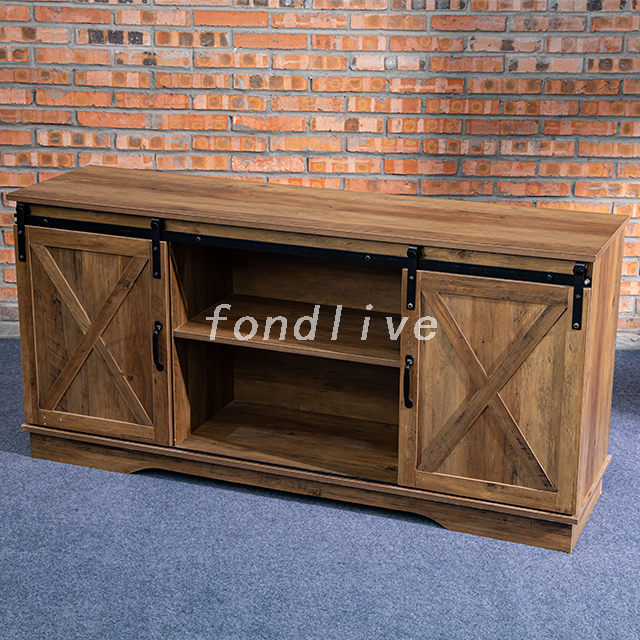
Tier 2 requires a moderate spend. Focus on items like media consoles and secondary accent chairs. When upgrading your broader Living Room Furniture, functional mechanics matter. A quality media unit needs solid joinery, smooth drawer glides, and smart cable management functionality. Accent chairs should feel stable but do not require the rigorous suspension systems of your daily sofa.
Tier 3 allows for value engineering. Coffee tables, side tables, and decorative elements endure far less structural stress. A wooden or glass table does not support dynamic body weight. You can source these items cost-effectively. Furthermore, they are much easier to swap out when your style preferences evolve.
Purchasing the right piece is only half the battle. Getting it into your home presents entirely different challenges. You must proactively manage implementation realities to avoid costly mistakes.
Measuring failures ruin excitement instantly. The most common buying error involves measuring the final floor space while completely ignoring the delivery pathway. A massive couch might fit perfectly in your lounge but get stuck in the hallway leading there. You must measure doorway widths, evaluate elevator clearances, and check tight stairwell angles. Pay special attention to low overhangs or unmovable lighting fixtures.
The showroom illusion tricks our perception of scale. Furniture appears significantly smaller inside massive retail showrooms with thirty-foot ceilings. When you bring that same piece into an average residential room, it suddenly dominates the entire volume. You must visualize the true footprint in your actual room.
Use the painter's tape method to combat this illusion:
Obtain the exact dimensions (width, depth, and height) of your shortlisted seating.
Clear the intended floor area completely.
Outline the exact width and depth directly on your floor using blue painter's tape.
Stack cardboard boxes inside the taped perimeter to simulate the height and bulk of the piece.
Walk completely around the taped zone. Ensure you have at least 30 to 36 inches of clearance for walking paths.
Supply chain realities dictate your timeline. High-quality custom upholstery rarely ships immediately. It often carries 8 to 12 week lead times. Manufacturers build frames to order and cut fabric specifically for your piece. Plan your move-in schedules accordingly. Order well in advance to avoid living in an empty space for three months.
Shortlisting logic dictates patience. Do not buy everything at once. Novice decorators often purchase sets impulsively. This locks them into rigid constraints. Instead, buy the anchor piece first. Place it in the room. Live with it for a few days. Only then should you measure for the supporting cast. Sequencing prevents scale mismatches.
Coffee table proportions rely entirely on your seating dimensions. A table that looks great online might completely dwarf your couch in person. The table must be roughly two-thirds the total length of the sofa. This leaves adequate room on both sides for walking. Furthermore, it should sit at the exact same height as your seat cushions, or perhaps one to two inches lower. Never buy a coffee table taller than your seat clearance.
Area rug sizing physically grounds the space. Small rugs make rooms feel disjointed and cheap. The rug acts as an island connecting all the pieces. Ensure at least the front legs of the primary sofa rest securely on the rug. Apply this exact same rule to any surrounding accent chairs. This simple technique unifies the layout instantly.
You can introduce side tables once the rug and coffee table establish the core zone. Side tables should match the height of the chair arms they sit next to. This allows users to place a drink down comfortably without leaning awkwardly. Sequence every addition off the physical anchor.
The most critical piece of furniture is the one absorbing the most physical use. Your primary seating dictates the geometry, traffic flow, and ultimate comfort of your space. Focusing your resources here guarantees a durable foundation for daily living. You avoid the trap of replacing sagging, inferior frames every three years.
Audit your current dimensions before making any hasty decisions. Establish a hard budget cap for the entire room design. Allocate at least forty to fifty percent of that total directly to the primary sofa. Finally, order physical fabric swatches to test in your home's unique lighting conditions. Master the anchor, and the rest of the room falls effortlessly into place.
A: No. "Matchy-matchy" sets often look dated and lack visual depth. Buying a single-collection set makes a room feel like a sterile catalog showroom. Aim for complementary textures and cohesive wood tones instead. Mixing materials like leather, linen, and varied metals creates a layered, curated aesthetic.
A: It depends entirely on the room's architecture. Sectionals maximize seating capacity in corners and help define zones in open floor plans. Conversely, two standard sofas facing each other often work better for formal, conversation-heavy layouts in narrower, traditional rooms.
A: A well-constructed sofa with a kiln-dried hardwood frame and high-resiliency foam should last 7 to 10 years under daily use. Quality eight-way hand-tied suspension systems extend this lifespan even further before the piece requires professional reupholstery or complete replacement.


